PAIR Lab
Research
PAIR Lab, the Personal AI and Robotics in Mental Health Laboratory, studies how AI, robotics, and social dynamics can strengthen mental health care, early intervention, and upstream prevention.
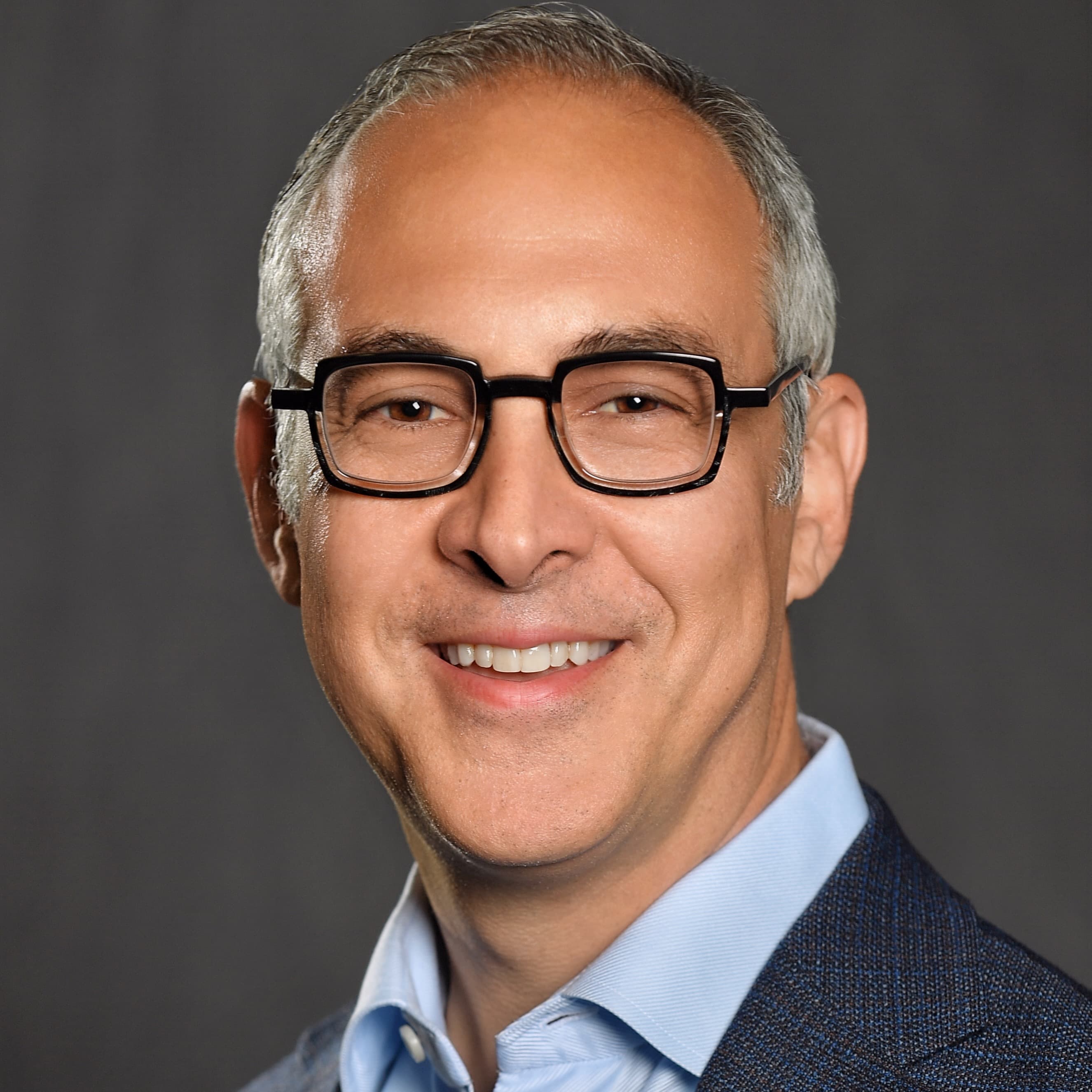
Anthony R. Pisani, Ph.D., ABPP — Clinical Psychologist and Professor of Psychiatry and Pediatrics, University of Rochester
Professor, clinical psychologist, and founder working at the intersection of suicide prevention, AI, and human connection.
Research, organizations, media, and public work across mental health, AI, and human connection.
Roles and affiliations
Publications
45+ peer-reviewed articles
Academic Home
Professor of Psychiatry & Pediatrics
Organizations
Founder of SafeSide Prevention
Speaking
International invited engagements
Public Work
Podcast, media, and advisory work
Primary university-based research work, followed by selected other projects and public work.
Primary university-based research work across labs, centers, and collaborative programs.
Research
PAIR Lab, the Personal AI and Robotics in Mental Health Laboratory, studies how AI, robotics, and social dynamics can strengthen mental health care, early intervention, and upstream prevention.
Research
A research program founded by Dr. Peter Wyman and focused on interventions that strengthen the skills and relationships that support health, career success, resilience, and suicide prevention.
Research
A University of Rochester center that has helped lead suicide prevention research, training, and implementation for more than two decades.
Organizations, media, and public-facing work outside the primary university research role.
Organization
International workforce education and consultation helping health systems, governments, and militaries build culture and competence around suicide prevention.
Nonprofit
A nonprofit helping faith communities think clearly, speak responsibly, and act wisely as AI reshapes culture.
Podcast
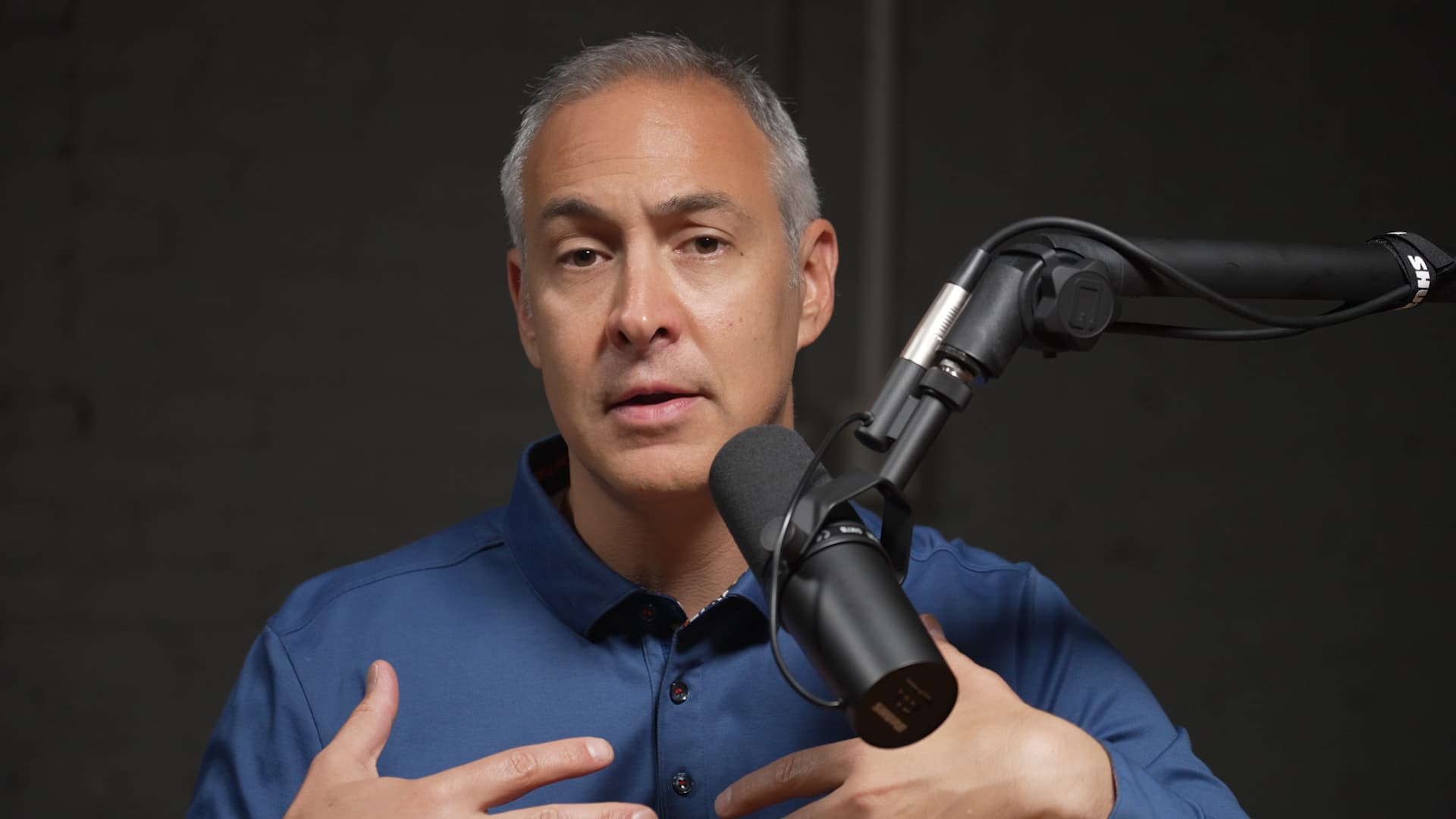
A podcast of conversations with researchers, clinicians, and builders about mental health, ideas, and what comes next.
In development
Media
A media property covering the future of mental health, personal AI, robotics, and emerging technology.
Forthcoming
Book
A forthcoming book arguing that undercommitment can be as dangerous as overcommitment, and that meaningful lives are built through obligation, engagement, and doing more.
Prof. Tony Pisani has spent his career working to prevent suicide and promote wellbeing, combining research at the University of Rochester with practical implementation across healthcare, military, and community settings internationally. He is Professor of Psychiatry and Pediatrics at the University of Rochester Medical Center, where he founded the Personal AI and Robotics in Mental Health Laboratory (PAIR Lab), focused on how social dynamics between people and AI technologies affect mental health and suicide risk.
Author of more than 45 peer-reviewed papers and host of the Never the Same podcast, Tony also founded SafeSide Prevention, an international organization providing workforce education and leadership consultation in suicide prevention to health systems, military organizations, and governments across the United States, Australia, New Zealand, and the United Kingdom. Through The Klara Project, a nonprofit he founded, he works with faith communities to understand AI's impact on churches and society.
His forthcoming book, Say Yes, Do More, draws on behavioral activation research and his career in suicide prevention to argue that undercommitment is often as dangerous as overcommitment, and that meaning grows through wholehearted engagement rather than retreat.
Tony has served on advisory boards for the 988 Suicide and Crisis Lifeline, Crisis Text Line, The Jed Foundation, and the Joint Commission, and provided expert testimony to the Royal Commission Into Defence and Veteran Suicide in Australia. He brings a combination of research rigor, clinical expertise, and real-world implementation experience to one of the most consequential questions facing mental health leaders today.
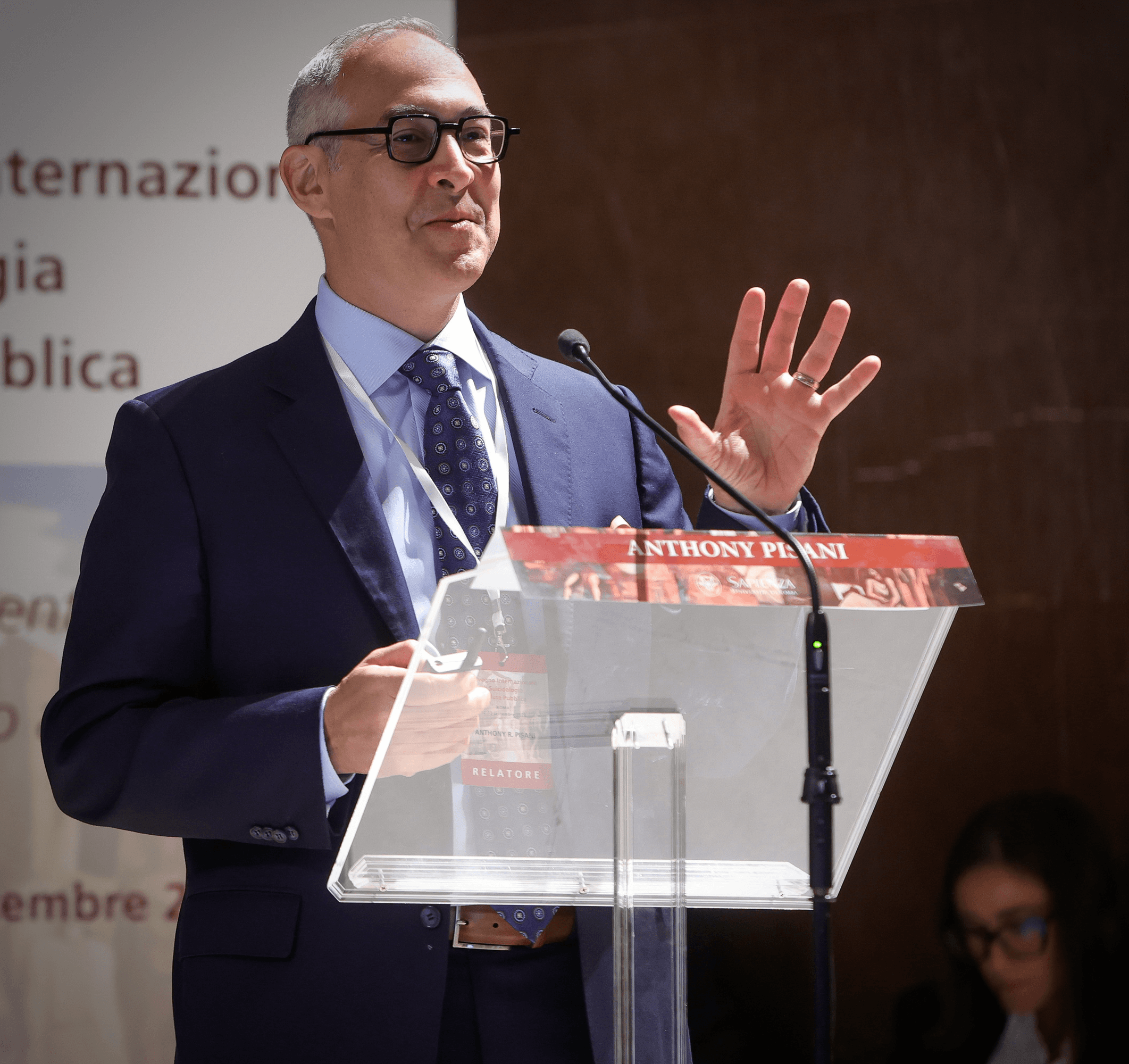
Selected topic areas and recent engagements for conferences, workshops, and leadership gatherings.
How organizations can build culture, competence, and systems that prevent suicide — from Zero Suicide implementation to clinical workforce training.
What personal AI, robotics, and emerging technology mean for clinical care, crisis intervention, and human connection — grounded in active research.
The science of social networks and suicide prevention. How strengthening human connection — peer-to-peer, patient-to-provider, community-wide — saves lives.
Building organizations that translate evidence into real-world impact. Lessons from scaling SafeSide Prevention across four countries.
Why undercommitment can be as dangerous as overcommitment, and why many meaningful lives are built through obligation, contribution, and doing more. A provocation drawn from clinical research, behavioral science, and the thesis of Say Yes, Do More.
Selected Engagements
Organizer materials, bios, and downloadable assets are below.
Approved materials for conference organizers, programs, media, and event hosts, including a reusable photo library.
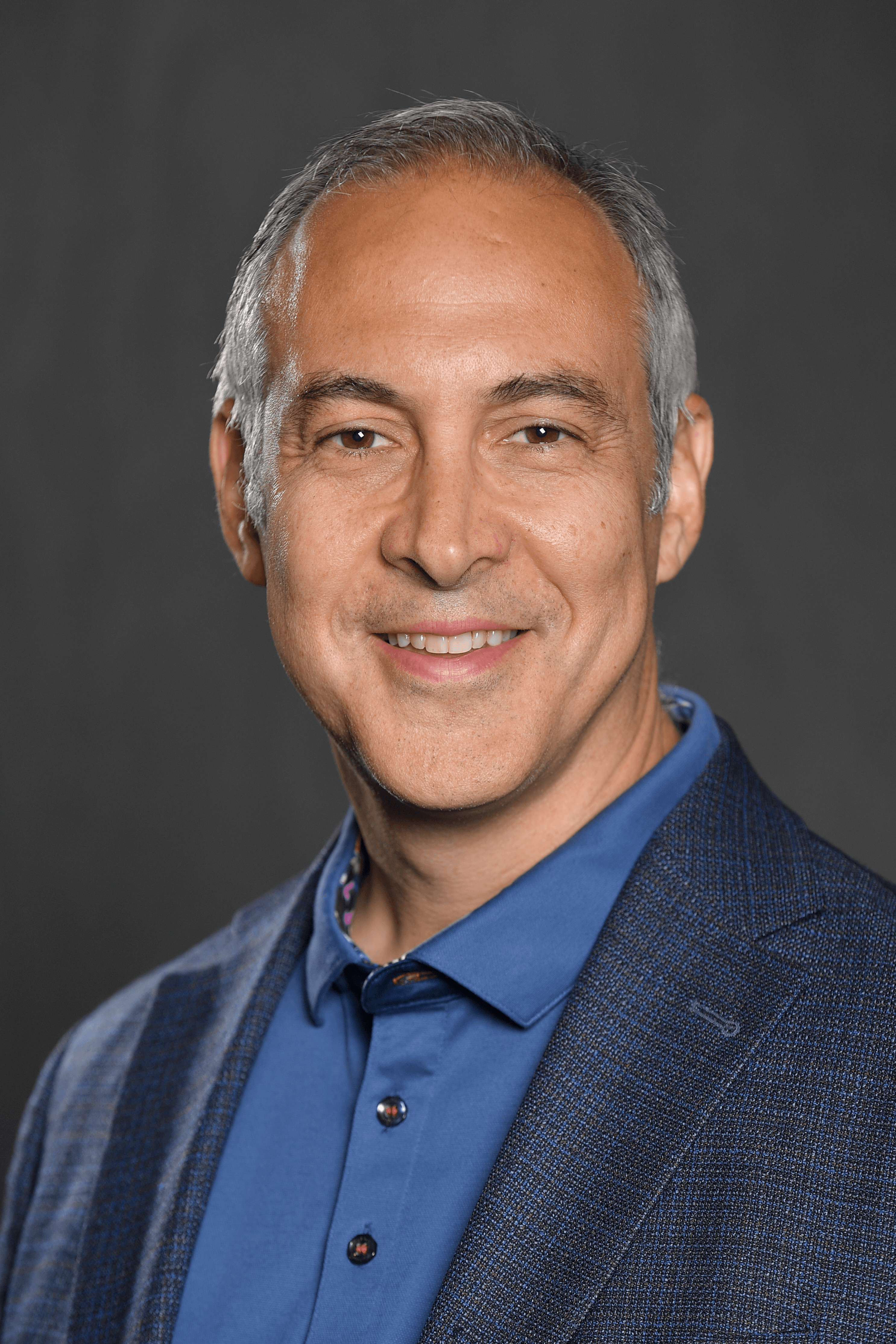
Tony Pisani is a clinical psychologist, professor at the University of Rochester, founder of SafeSide Prevention, and speaker whose work connects suicide prevention, AI, and human connection.
Ready-to-use bios at multiple lengths for programs, websites, and press materials.
Prof. Tony Pisani is Professor of Psychiatry and Pediatrics at the University of Rochester Medical Center, where he founded the PAIR Lab. He is also founder of SafeSide Prevention, an international organization providing workforce education and leadership consultation in suicide prevention across healthcare, military, and government settings in the US, Australia, New Zealand, and the UK. Author of more than 45 peer-reviewed papers and host of the Never the Same podcast, his work spans research, education, and real-world implementation.
Prof. Tony Pisani has spent his career working to prevent suicide and promote wellbeing, combining research at the University of Rochester with practical implementation across healthcare, military, and community settings internationally. He is Professor of Psychiatry and Pediatrics at the University of Rochester Medical Center, where he founded the PAIR Lab, focused on how AI technologies affect mental health and suicide risk. Author of more than 45 peer-reviewed papers and host of the Never the Same podcast, he also founded SafeSide Prevention, providing workforce education and leadership consultation in suicide prevention across the US, Australia, New Zealand, and the UK. Through The Klara Project, he works with faith communities to understand AI's impact on churches and society. His forthcoming book, Say Yes, Do More, argues that undercommitment is often as dangerous as overcommitment, and that many of the happiest lives are shaped by deep obligation, wholehearted engagement, and doing more rather than retreating into minimalism.
Prof. Tony Pisani, Ph.D., ABPP, has spent his career working to prevent suicide and promote wellbeing, combining research at the University of Rochester with practical implementation across healthcare, military, and community settings internationally. He is Professor of Psychiatry and Pediatrics at the University of Rochester Medical Center, affiliated with the Center for the Study and Prevention of Suicide. He founded the Personal AI and Robotics in Mental Health Laboratory (PAIR Lab), focused on how social dynamics between people and AI technologies affect mental health and suicide risk.
Tony founded SafeSide Prevention, an international organization that provides workforce education and leadership consultation in suicide prevention to health systems, military organizations, and governments across the United States, Australia, New Zealand, and the United Kingdom. Through The Klara Project, a Christian nonprofit he founded, he works with faith communities to understand AI's impact on churches and society. He hosts Never the Same, a podcast exploring evolving ideas in mental health.
His research has been funded by the National Institute of Mental Health, the Department of Defense, and the American Foundation for Suicide Prevention. He has published more than 45 peer-reviewed articles in journals including JAMA Network Open, Journal of Child Psychology and Psychiatry, and Academic Psychiatry, and co-authored Suicide Prevention: Stahl's Handbooks (Cambridge University Press).
Tony has served on advisory boards for the 988 Suicide and Crisis Lifeline, Crisis Text Line, The Jed Foundation, Stop Soldier Suicide, and the American Foundation for Suicide Prevention. He has contributed to national patient safety guidelines through The Joint Commission and provided expert testimony to the Royal Commission Into Defence and Veteran Suicide, Commonwealth of Australia. He currently chairs the Zero Suicide Workgroup of the New York State Suicide Prevention Council.
His forthcoming book, Say Yes, Do More, draws on behavioral activation research and his career in suicide prevention to argue that undercommitment is often a greater cultural danger than overcommitment, and that meaning grows through obligation, engagement, and contribution rather than minimalism and retreat. Across this work, he brings a combination of research rigor, clinical expertise, and real-world implementation experience to one of the most consequential questions facing mental health leaders today.
45+ peer-reviewed articles, plus books and chapters. Selected highlights below.
R34 MH131914 · NIH (NIMH) · 2023–2026
Pilot Effectiveness Trial of THRIVE in Crisis Stabilization Centers
Principal Investigator
R01 MH119264 · NIH (NIMH) · 2019–2024
Effectiveness of a Targeted Brief Intervention for Recent Suicide Attempt Survivors
Principal Investigator
K23 MH101449 · NIH (NIMH) · 2013–2017
Mobile Phone Intervention to Prevent Youth Suicide in Rural Communities
Principal Investigator
R01 MH131738 · NIH (NIMH) · Active
Testing Wingman-Connect for Large-Scale Delivery in the US Air Force
Co-Investigator / Co-Director
For speaking, collaboration, advisory work, media, or general inquiries.